
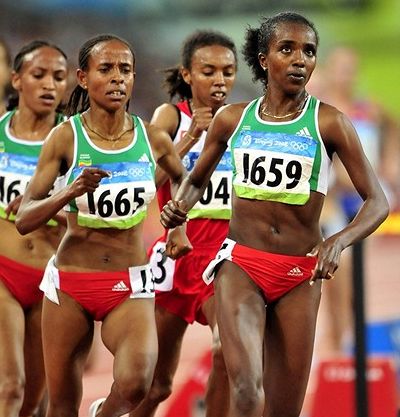
In the past, athletes were defined by their performance on the field, court, or track. Their influence was largely confined to fans who followed their sport. Today, however, athletes are transcending the boundaries of sports to become global influencers, shaping culture, driving conversations, and even impacting politics and social change. The shift is no accident it is the result of a new media landscape, changing consumer behaviour, and the rise of digital platforms.
Beyond the Game
The modern athlete is no longer just a competitor but a brand in motion. Platforms such as Instagram, TikTok, and X (formerly Twitter) allow athletes to share personal stories, connect with fans directly, and cultivate identities beyond their sport. Cristiano Ronaldo, LeBron James, and Serena Williams are as recognizable for their voices and lifestyle choices as they are for their records and titles.
Unlike the past, when traditional media intermediated public perception, athletes now control their narratives. A single post can reach hundreds of millions of followers, shaping opinions in real time.
The Power of Personal Branding
Athletes are discovering the value of personal branding. From fashion collaborations and fitness products to food chains and tech startups, their influence stretches across industries. Naomi Osaka uses her platform to advocate for mental health, while Lionel Messi and Neymar drive engagement for luxury brands. These ventures not only increase their income but also cement their place as cultural icons.
Sponsors understand this power. Brands no longer just look for athletic excellence they seek authenticity, relatability, and global reach. An athlete’s social media following can be as valuable as their performance stats.
Activism and Social Change
In recent years, athletes have also emerged as powerful voices for social justice and activism. Colin Kaepernick’s kneeling protest during the U.S. national anthem ignited global conversations on racial inequality. Marcus Rashford’s campaign against child hunger in the UK influenced government policy. Such examples show that athletes are trusted messengers who can mobilize millions beyond traditional political or civic leaders.
A Global Audience
Sports are universal, and the digital era has erased geographical limits. A young basketball fan in Manila can follow the NBA as closely as a fan in Los Angeles. Similarly, African football fans engage with European leagues in real-time. This global interconnectedness has elevated athletes into worldwide figures, not confined to their local markets but embraced as global citizens.
The Future of Influence
As technology evolves, athletes are likely to play an even bigger role in shaping culture. With NFTs, personalized apps, and direct-to-fan platforms, they are cutting out middlemen and monetizing influence in ways unimaginable a decade ago. The modern athlete is not just a sports star they are entrepreneurs, activists, and trendsetters.
In an era where followers matter as much as trophies, athletes have become more than role models they are global influencers, redefining what it means to have power in the digital age.


![The Do’s and Don’ts of Influencer PR Contracts By [Your Name] As the influencer economy continues to grow, public relations experts and brands are increasingly relying on social media personalities to drive campaigns, shape consumer choices, and boost visibility. But behind every glossy Instagram post or viral TikTok video lies an often-overlooked foundation: the contract. Industry analysts warn that poorly written agreements between influencers and PR firms can lead to disputes, financial losses, and damaged reputations. To avoid pitfalls, here are key do’s and don’ts that professionals say every influencer PR contract should include. The Do’s 1. Be Clear on Deliverables: Specify exactly what content the influencer must produce — number of posts, type of content (video, story, reel), and deadlines. Ambiguity often leads to unmet expectations. 2. Outline Payment Terms: Clearly state whether payment is a flat fee, performance-based, or a mix. Include timelines for disbursement to protect both parties. 3. Define Usage Rights: Brands often repurpose influencer content for advertising. Contracts should clarify how long and where the content can be used, to avoid disputes over ownership. 4. Include Disclosure Requirements: Compliance with advertising regulations is crucial. Contracts should require influencers to disclose sponsored content in line with advertising laws. 5. Add Exit Clauses: Situations change — and so should contracts. An exit clause protects both influencer and brand if collaboration is no longer viable. The Don’ts 1. Don’t Rely on Verbal Agreements: Handshake deals may feel friendly but offer no legal protection. Everything must be in writing. 2. Don’t Ignore Exclusivity Clauses: Brands often ask influencers not to promote competitors during campaigns. These clauses should be reasonable in scope and duration to avoid stifling the influencer’s business. 3. Don’t Overlook Crisis Scenarios: What happens if the influencer becomes embroiled in controversy? Contracts should include morality clauses to protect brand image. 4. Don’t Forget Taxes and Compliance: Influencers are independent contractors, not employees. Contracts should make tax responsibilities clear to avoid legal issues. 5. Don’t Assume One Size Fits All: Each collaboration is unique. Copy-and-paste contracts often miss critical details that could safeguard both parties. In the fast-moving world of digital marketing, PR contracts are more than paperwork — they are the backbone of professional partnerships. Done right, they protect creativity, ensure fairness, and build lasting trust between influencers and brands.](https://theprguys.com/wp-content/uploads/2025/08/How-does-Public-Relations-Differ-from-Similar-Fields-like-Advertising-or-Marketing-Drake-University-Newsroom.jpg)