
For years, fast fashion has dominated the global clothing industry, offering consumers the latest styles at astonishingly low prices. But behind the glossy storefronts and endless online sales lies a growing controversy one that questions the true cost of cheap fashion. As sustainability, labor rights, and environmental issues take center stage, the business of fast fashion is now facing unprecedented scrutiny from consumers, regulators, and activists alike.
What Is Fast Fashion?
Fast fashion refers to the rapid production of trendy, inexpensive clothing designed to mimic high-end fashion at a fraction of the price. Retail giants like Zara, H&M, Shein, and Fashion Nova have built empires by churning out new collections almost weekly, enticing shoppers with constant novelty and affordability.
This model thrives on speed quick design cycles, cheap labor, and large-scale production enabling brands to keep pace with ever-changing consumer demand. But this same speed has raised serious ethical and environmental concerns.
Environmental Consequences
The fashion industry is one of the world’s largest polluters, and fast fashion bears much of the blame. The production of synthetic fabrics like polyester emits millions of tons of carbon dioxide annually, while dyeing and finishing processes contaminate rivers and water systems.
Moreover, the “wear-and-dispose” culture encouraged by fast fashion contributes to massive textile waste. Studies show that over 85% of clothing ends up in landfills or incinerators each year, taking decades if not centuries to decompose.
Labour and Ethical Concerns
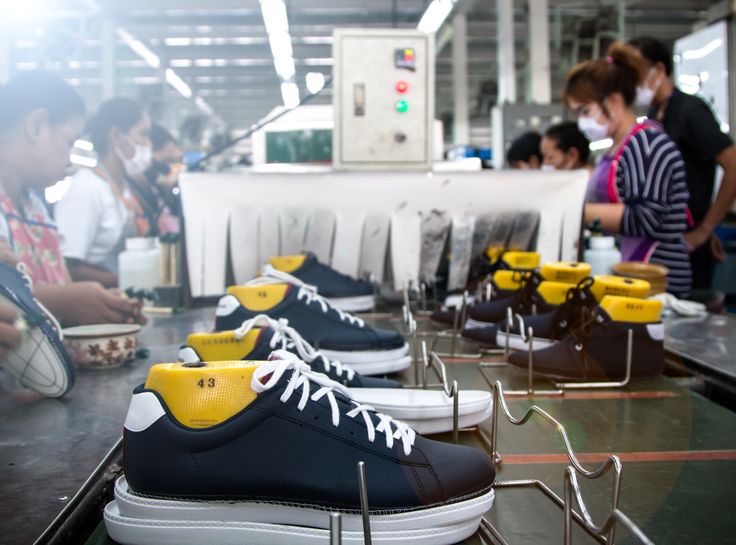
Behind the low prices are often underpaid factory workers, primarily in countries such as Bangladesh, Vietnam, and Ethiopia. Many work long hours in unsafe conditions for meager wages, producing garments that sell for many times their production cost.
The 2013 Rana Plaza collapse in Bangladesh, which killed over 1,100 garment workers, was a grim wake-up call for the global fashion industry. Although some progress has been made in factory safety, many labor abuses persist in the shadows of fast fashion’s supply chain.
Consumer Awareness and the Push for Change
Today’s consumers are becoming more conscious of where their clothes come from. Movements like #WhoMadeMyClothes and documentaries such as The True Cost have sparked widespread debate about fashion ethics. Many shoppers are now turning to sustainable brands, thrift stores, and clothing swaps as alternatives.
Even major retailers are responding with initiatives like clothing recycling programs, eco-friendly materials, and “conscious” collections. However, critics argue that these are often marketing tactics (greenwashing) rather than genuine systemic changes.
The Future of Fashion
The scrutiny surrounding fast fashion is reshaping the industry. Governments in Europe and North America are considering legislation on textile waste and labor transparency, while start-ups are innovating with biodegradable fabrics, slow fashion models, and digital fashion that minimizes waste.
The next phase of fashion may belong to brands that prioritize quality over quantity, transparency over trends, and sustainability over speed.

