
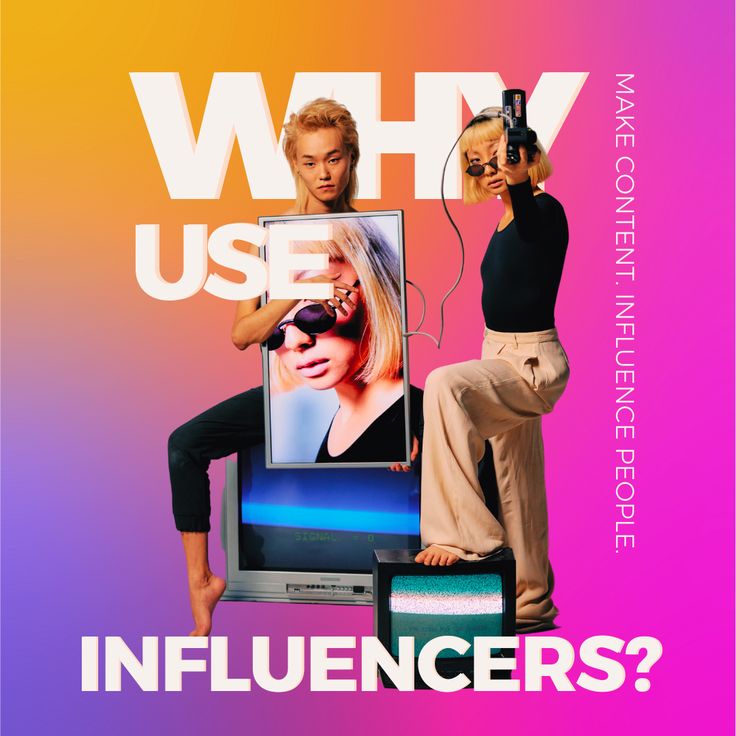
Introduction: The New Face of Advertising
Advertising is no longer what it used to be. Gone are the days when big brands relied only on glossy TV commercials and expensive billboards to connect with customers. In 2025, influencers have become the new marketing powerhouses reshaping how brands tell their stories and reach their audiences.
From TikTok creators in Lagos to YouTube vloggers in London, influencers are using creativity, authenticity, and community to redefine what it means to advertise. Their impact is so strong that even traditional companies now budget more for influencer marketing than TV ads.
So, what’s really driving this shift? And how are influencers changing the entire advertising landscape? Let’s dive in.
1. From Celebrities to Everyday Storytellers
Influencer marketing used to be about celebrities with millions of followers. But today, micro and nano influencers people with smaller but loyal audiences are stealing the spotlight.
These influencers connect on a personal level, sharing real-life experiences instead of scripted endorsements. For example, a Lagos-based food blogger might show how she makes jollof rice with a new spice brand, creating authentic engagement instead of a one-time ad.
Brands now understand that relatable storytelling sells better than fame.
2. Authenticity Over Perfection
In 2025, audiences crave real content. Influencers who show the behind-the-scenes, the struggles, and the genuine excitement are winning hearts.
People are tired of overly polished ads that feel fake. When a fitness influencer posts a video sweating through a home workout using a local drink brand for hydration it feels human, not commercial.
This raw authenticity builds trust, and in marketing, trust equals loyalty.
3. The Rise of Nigerian Influencers on the Global Stage
Nigeria’s influencer scene has exploded. From Chef Hilda Baci showcasing culinary creativity to Tech creator Fisayo Fosudo simplifying gadgets and Eki Ogunbor redefining fashion content Nigerian influencers are taking over digital spaces with unique voices.
These creators are not just promoting products; they are shaping global perceptions of African excellence.
International brands like Samsung, L’Oréal, and Coca-Cola are now partnering with Nigerian influencers to tap into Africa’s vibrant youth market a trend that’s only growing stronger in 2025.
4. Video Content Is the King of 2025
If 2024 was about going digital, 2025 is about going visual. Short-form video platforms like TikTok, Instagram Reels, and YouTube Shorts dominate brand campaigns.
Influencers use these platforms to create snackable, visually appealing content unboxing products, cooking recipes, or giving style tips.
Brands love video because it tells a story fast. Viewers love it because it feels natural and entertaining. Win-win.
5. The Power of Niche Communities
Instead of trying to please everyone, smart influencers focus on specific communities fitness lovers, foodies, skincare fans, travelers, or tech geeks.
This approach makes their content more targeted and trustworthy. For instance, a soup brand partnering with a Nigerian food influencer on Instagram instantly connects with people who already love cooking.
In 2025, it’s not about reaching everyone. It’s about reaching the right ones.
6. AI and Data-Driven Influence
Artificial Intelligence is changing how influencer marketing works. Brands now use AI tools to:
- Identify the best influencers for their target audience
- Track engagement authenticity (to avoid fake followers)
- Predict campaign performance before launching
For influencers, AI helps them analyze what content performs best and when to post for maximum reach.
This tech-powered approach ensures that influencer marketing remains effective, measurable, and profitable.
7. Long-Term Partnerships Over One-Off Ads
Gone are the days when brands paid influencers for just one post. In 2025, long-term collaborations are the norm.
Brands now prefer working with influencers for months or years allowing audiences to see consistent product use and genuine loyalty.
This shift builds credibility. When followers see their favorite creator repeatedly use a brand, they believe in it.
8. The Influence of “Everyday” Creators
Even regular people are becoming influencers through platforms like TikTok and Threads. You don’t need a fancy camera or millions of followers just creativity and a phone.
This democratization of influence means anyone can shape a brand’s image through authentic storytelling. Many Nigerian micro-influencers are now making steady income by sharing cooking tutorials, haircare routines, or fitness journeys.
Brands love this trend it’s authentic, affordable, and scalable.
9. Brands Are Prioritizing Values, Not Just Visibility
Consumers in 2025 care about what a brand stands for sustainability, ethics, diversity, and community.
Influencers who align with these values are more sought after. For example, a beauty influencer who promotes cruelty-free products or a food creator who highlights local farmers aligns perfectly with modern brand values.
In this new era, purpose-driven advertising sells better than flashy visuals.
10. Live Streams, Podcasts, and Virtual Events
Influencers are no longer limited to posts and videos. In 2025, they’re hosting live cooking shows, virtual brand launches, and interactive podcasts that feel like real conversations.
This shift gives audiences direct access to brands through trusted voices. Imagine a Nigerian lifestyle influencer hosting a live soup-making session sponsored by a seasoning company viewers learn, laugh, and buy all at once.
It’s engaging, entertaining, and effective.
The Impact on Brands and Consumers
Influencers have changed how we see, trust, and buy products. Brands no longer talk at consumers they now talk through people consumers already trust.
For consumers, it means seeing real-life uses of products, not just polished ads. For brands, it means authentic exposure and measurable results.
The future of advertising belongs to influencers who are genuine, creative, and connected.
Conclusion: The Future of Advertising Is Personal
Influencers have taken advertising from billboards to personal screens and from one-way messages to genuine conversations.
In 2025, the most successful brands won’t be the loudest, but the most relatable. They’ll partner with influencers who tell human stories, create community, and inspire action.
Whether you’re a small business in Nigeria or a global brand, the rule is simple: influence is the new currency of trust.


